 Save to Pinterest
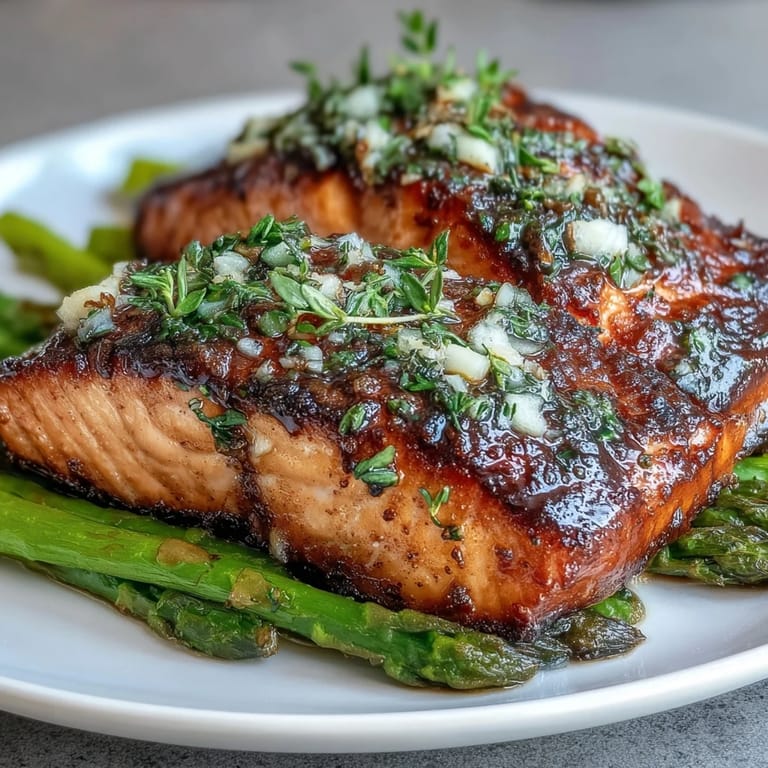
 The first time I made this garlic butter salmon, the kitchen was filled with the hiss of the skillet and a tangy brightness from the lemon slices. It wasn't a special event, just a spur-of-the-moment craving for something fresh after spotting beautiful asparagus at the market. The aroma of melting butter mingling with garlic always feels like an invitation, compelling me to linger by the stove longer than planned. Salmon cooks quickly, so the symphony of sizzling and fragrant steam is brief but memorable. Somehow, the simple act of adding fresh parsley as a finishing touch makes the whole meal feel just a bit more joyful.
Once, I cooked this for friends on a chilly Saturday, and we ended up gathering around the stove, picking at the crisp asparagus before plates were even filled. It turned into one of those dinners where conversation felt easy, and laughter echoed between sips of chilled white wine. By the end, lemon wedges and herb flecks decorated our napkins—a sign of just how much we enjoyed ourselves. Even my friend who'd insisted she wasn't much of a fish fan changed her mind after one buttery bite. Warm salmon and garlic always seem to open up appetite and mood alike.
Ingredients
- Salmon fillets: Sourcing fresh, sturdy fillets ensures they sear beautifully without falling apart—skin-on gives extra crispness, but either type works.
- Asparagus: Snapping asparagus where it naturally breaks gives the perfect tender texture every time; use the freshest you can find for that spring crunch.
- Lemon: Thin slices brighten the dish and carry their zest straight into the pan—try to slice evenly so every piece gets some tang.
- Unsalted butter: Always go for unsalted so you can control seasoning, and don’t rush melting for that golden richness.
- Olive oil: Blending olive oil with butter helps prevent burning while searing and adds smooth body to the sauce.
- Garlic cloves: Mince right before cooking—pre-minced often loses sharpness and aroma.
- Thyme: Fresh is best, but dried thyme works for a subtle woodsy backdrop; sprinkle just enough so it doesn’t overpower.
- Salt and black pepper: Season evenly so each bite is balanced; don’t skimp, but taste before serving.
- Fresh parsley: Chop just before garnishing for vibrant color and flavor; it’s the green that makes the plate pop.
Tired of Takeout? 🥡
Get 10 meals you can make faster than delivery arrives. Seriously.
One email. No spam. Unsubscribe anytime.
Instructions
- Season the salmon:
- Pat each salmon fillet dry carefully and sprinkle both sides with salt and pepper, making sure every surface is well-seasoned.
- Sauté the asparagus:
- Heat one tablespoon olive oil in a skillet, letting it shimmer, then add asparagus and stir often—listen for a gentle sizzle and cook until just fork-tender.
- Sear the salmon:
- Add the last bit of olive oil and some butter; place the salmon skin-side down if using skin, watching for golden edges and crisp skin, then flip and cook until the flesh turns opaque and flakes easily.
- Add garlic and make the sauce:
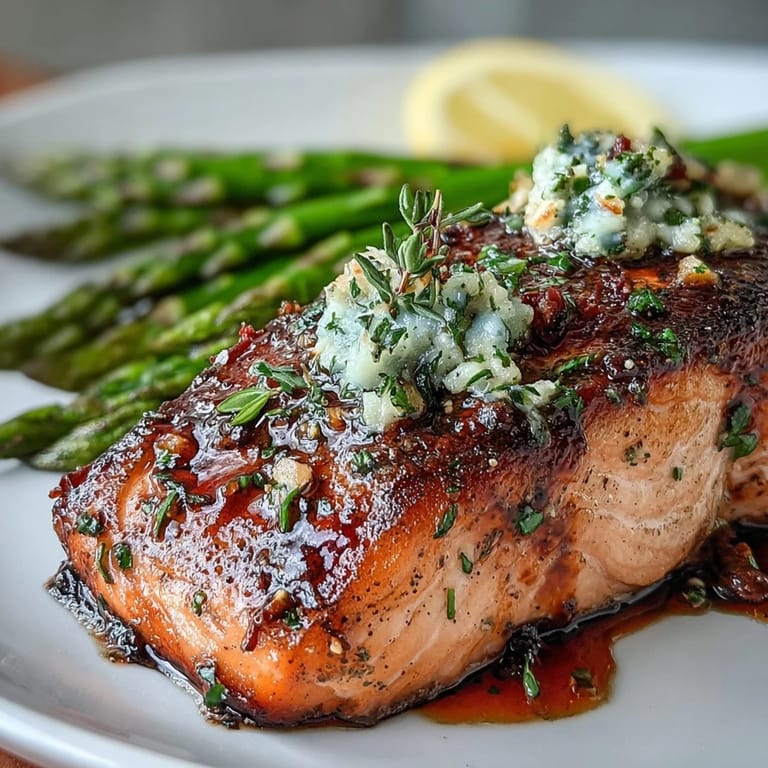
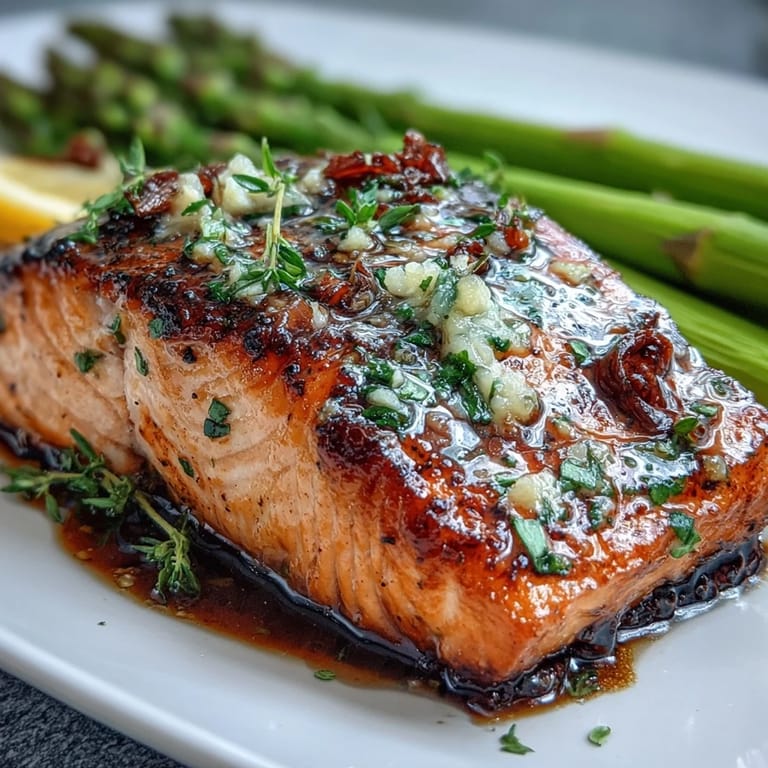
- Scatter in minced garlic and thyme, then stir in remaining butter, letting it melt and turn aromatic; spoon the bubbling butter over each fillet and toss in lemon slices with the cooked asparagus.
- Finish and garnish:
- Remove from heat, sprinkle with fresh parsley, and serve immediately while the aroma is brightest and the butter sauce is still warm.
 Save to Pinterest
 One spring evening, my grandmother asked to taste the salmon while I was still plating; she declared it “too good to wait.” That small impatience turned the meal into a moment of pure delight, and now it’s our go-to when we want dinner to feel celebratory, even for no reason at all.
Making Salmon Shine
It's tempting to rush the searing, but giving salmon its face-down moment lets the skin crisp just right, even if you're using skinless pieces. I've found that a good nonstick skillet takes away the nerves if you're worried about sticking—just don’t crowd the fillets. The edges should turn from translucent to salmon pink, and a little spatula nudge tells you when they're ready to flip.
Garlic Butter Secrets
Letting garlic mingle with butter over gentle heat unlocks that mellow, nutty aroma without risking bitterness. If the garlic starts browning, I lift the pan off heat for a moment—this simple trick preserves the flavor. Adding lemon last, right before tossing in asparagus, keeps the citrus bright, instead of overpowering.
Quick Variations and Pairings
Green beans or broccolini stand in beautifully if asparagus isn’t around, and roasted potatoes make the meal heartier without much extra effort. Pairing with a crisp salad brings freshness, but sometimes a chilled Sauvignon Blanc is all you need for the perfect bite.
- If you want extra richness, swirl in a splash of white wine with the butter.
- For dairy-free, replace butter entirely with olive oil—still delicious.
- Don’t forget to check labels for hidden allergens if you’re cooking for guests.
 Save to Pinterest
 Cooking this salmon always reminds me that simple, fresh flavors often surprise us most. I hope it brings new moments to your kitchen—especially ones that linger long after dinner.
Recipe Q&A
- → How do you achieve crisp salmon skin?
Pat the salmon dry, heat the skillet, and cook skin-side down until golden and crisp before flipping.
- → Can other vegetables be substituted for asparagus?
Yes, you can substitute green beans or broccolini for asparagus if desired.
- → What herbs are best for garnishing this dish?
Fresh parsley and thyme add aromatic flavor and a vibrant finish.
- → Is this dish suitable for gluten-free or low carb diets?
Yes, salmon and asparagus with garlic butter are naturally gluten-free and low in carbohydrates.
- → What wine pairs well with salmon and asparagus?
Try a crisp Sauvignon Blanc or Chardonnay to complement the flavors.
- → How can dairy be avoided?
Swap the butter for olive oil to keep the dish dairy-free while maintaining rich flavor.