 Save to Pinterest
 My kitchen always seems to fill with sun whenever I make this lemon curd layer cake. One spring morning, with flower petals scattered across the counter and fresh lemons on the windowsill, I first assembled this towering treat for Mother's Day. As the scent of lemon zest mingled with butter, I found myself smiling—half from anticipation, half from the chaos I was about to invite. Picking out edible flowers at the market was an unexpected delight, their colors almost too vivid to be real. This cake became a centerpiece, not just for its looks but for the hours of laughter and baking that wove it together.
Last Mother's Day, I baked this cake with my niece, who took charge of decorating and ended up dotting the top with a tiny forest of pansies and violas. We both kept sneaking spoonfuls of warm lemon curd when we thought nobody was looking. It became less about perfection, more about joy—listening to music, swapping stories, hands dusted with flour. When the cake finally made it to the table, our giggles gave away how much “taste testing” had happened. There wasn't a crumb left after dinner, though the real delight was all in the making.
Ingredients
- All-purpose flour: This gives the cake its light yet sturdy crumb. Sifting first really helps avoid lumps in the batter.
- Baking powder & baking soda: They’re key for a gentle rise—measure carefully for an even bake.
- Salt: Even a pinch heightens the lemony flavor without making the cake salty.
- Unsalted butter: Room-temperature butter creams beautifully with sugar, making the sponge tender—if it's too cold, wait a few extra minutes.
- Granulated sugar: This sweetens both cake and curd; I once tried cutting it back but missed the zingy balance.
- Eggs: Room temperature eggs blend more evenly; I always crack one at a time into a small dish first just in case.
- Lemon zest & lemon juice: Fresh is essential for that perfume and zing—zest before you juice, so you don't struggle with slippery rinds.
- Vanilla extract: Just a splash deepens all the citrus notes; use pure extract if you can.
- Whole milk: Adds moisture and richness; let it warm up on the counter before mixing.
- Powdered sugar: Sweetens the frosting without graininess—sift if it’s clumpy.
- Heavy cream: Cold cream whips up fast and keeps the frosting fluffy; chill the bowl too for extra insurance.
- Assorted edible flowers: These transform the cake into a showstopper—always go for food-grade, chemical-free blooms.
Tired of Takeout? 🥡
Get 10 meals you can make faster than delivery arrives. Seriously.
One email. No spam. Unsubscribe anytime.
Instructions
- Prep the pans and oven:
- Heat your oven to 350°F (175°C) and line three 8-inch round pans with parchment, greasing the sides so nothing sticks.
- Mix the dry ingredients:
- In a medium bowl, whisk together flour, baking powder, baking soda, and salt so they’re well combined and fluffy.
- Cream the butter and sugar:
- In a large bowl, beat butter and sugar until pale and airy—listen for the mixer to go from a gritty whir to a soft swoosh, about 3 minutes.
- Add eggs, zest, juice, and vanilla:
- One at a time, add eggs, fully mixing in between. Stir in the vibrant lemon zest, fresh juice, and vanilla, pausing to inhale that burst of citrus.
- Combine with dry mix and milk:
- Add your flour mix in thirds, alternating with milk: flour–milk–flour–milk–flour. Go gently, mixing just until combined so your cake stays fluffier.
- Bake the layers:
- Divide the batter among the pans, smoothing the tops. Bake for 25–28 minutes until a toothpick comes out clean and edges are golden.
- Cool completely:
- Let cakes rest in their pans 10 minutes, then run a knife around the edge and tip onto racks—patience here keeps them intact for assembly.
- Make the lemon curd:
- In a saucepan, whisk eggs, sugar, zest, and juice. Cook over medium, stirring non-stop until thickened, then take off heat and stir in butter until glossy; press plastic wrap over the surface and chill.
- Whip the frosting:
- Beat heavy cream, powdered sugar, and vanilla in a cold bowl until peaks stand up straight—stop before it turns dense.
- Layer the cake:
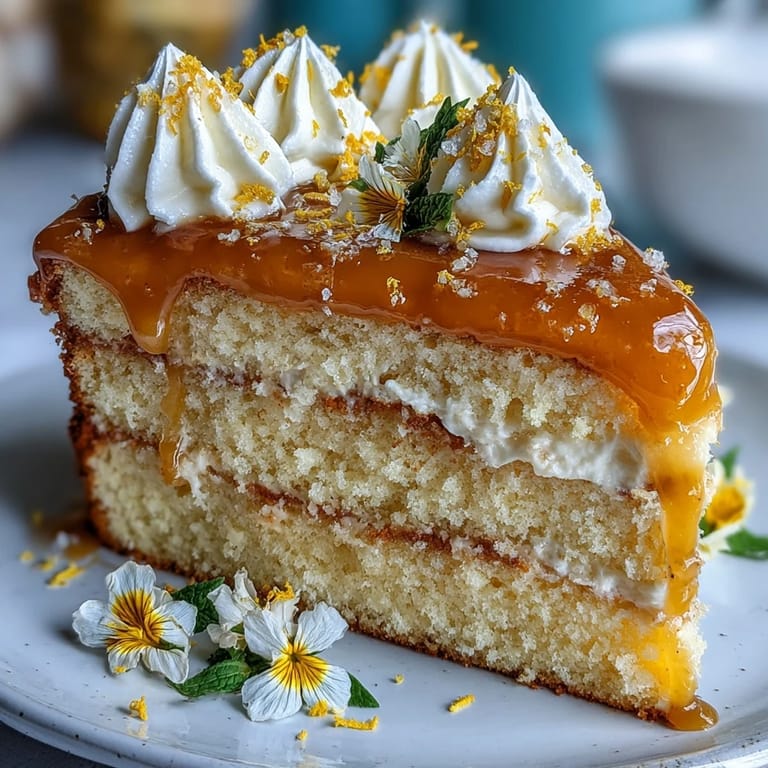
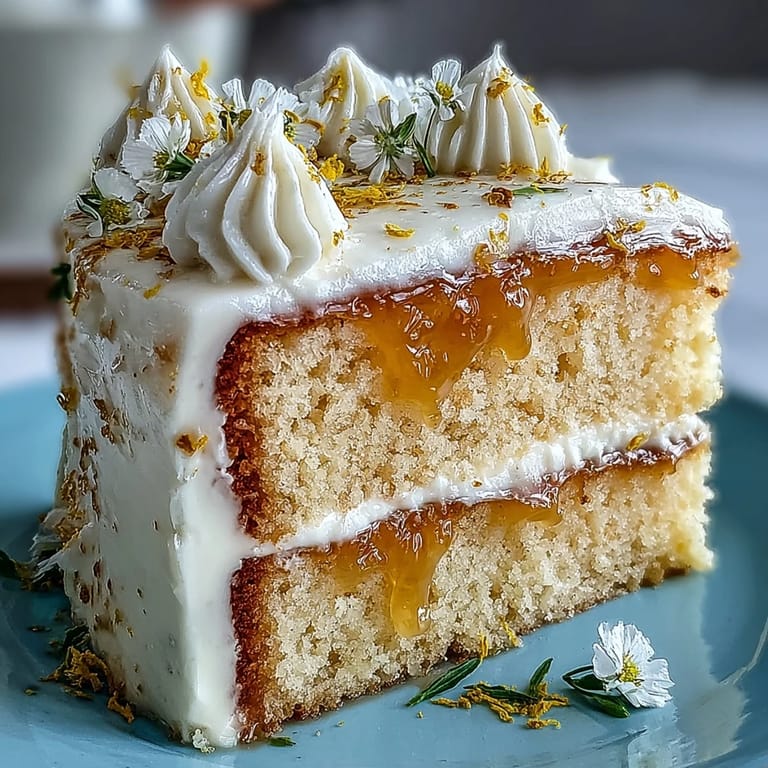
- Set a cake layer on your platter, top with whipped cream, then spoon over lemon curd (about 3–4 tbsp); repeat with the next layer, finishing by frosting the top and sides.
- Decorate with flowers:
- Right before serving, press edible blooms gently onto the cake, letting your eyes decide where they’ll look prettiest.
 Save to Pinterest
  Save to Pinterest
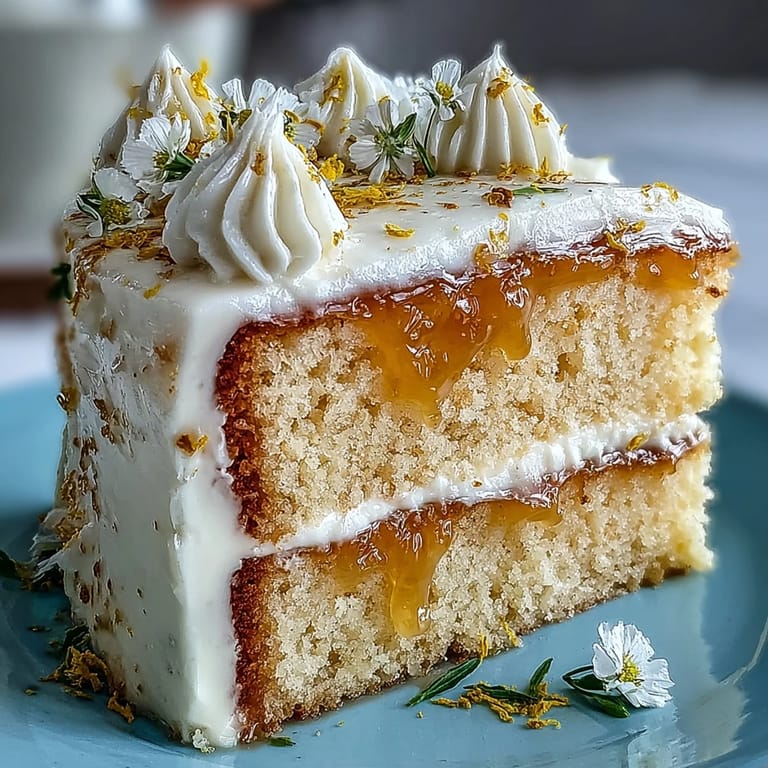
 Watching my mom take the first bite—eyes lighting up as the tart curd hit her taste buds—made every minute worth it. That afternoon, this cake did more than end our meal; it felt like a bouquet, celebration, and thank you, all at once.
Picking and Using Edible Flowers
The thrill of decorating with edible flowers comes from mixing and matching their colors and shapes, and learning which petals taste peppery or sweet. Always use flowers from a safe, food-grade source, as some from florists or gardens may be treated and aren't suitable for eating. I like to test a couple on a plate before committing to the cake, just for a hint of taste and a pop of color. If you're cautious with flavors, pansies and violas are mild and versatile. Roses often contribute a subtle fragrance that lingers beautifully around the finished dessert.
Lemon Curd Success Secrets
Homemade lemon curd moves fast in the pan, so keep your whisk hand ready and don’t turn your back, even for a moment. If you sense the mixture starting to bubble a little too much, lower the heat to avoid any scrambles. Passing the finished curd through a sieve guarantees a silky texture, free from zest or tiny egg bits. If you plan ahead, making the curd the night before intensifies the lemony punch. Store it covered, with the plastic touching the surface, to keep a skin from forming.
Serving and Storing Tips
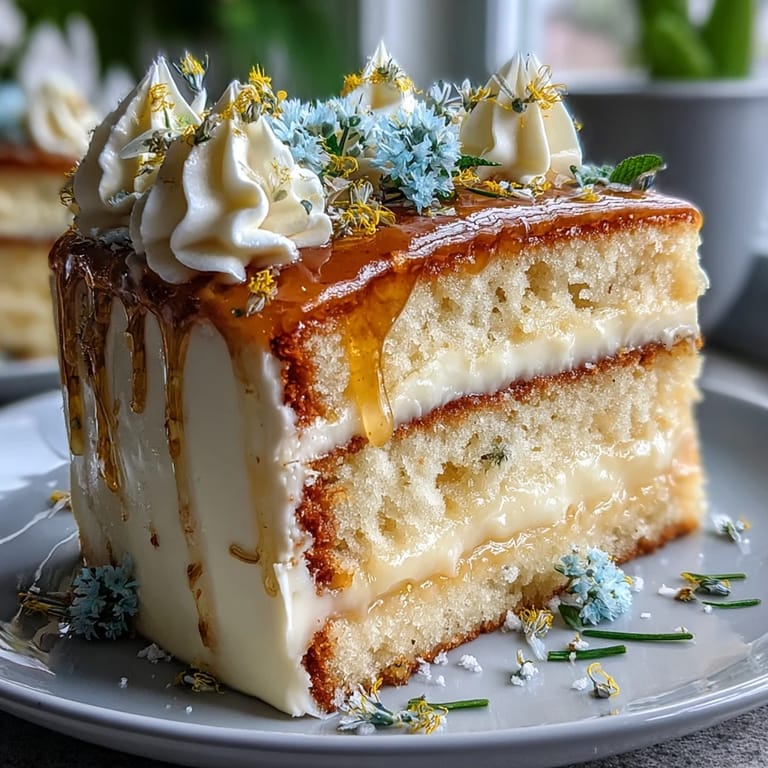
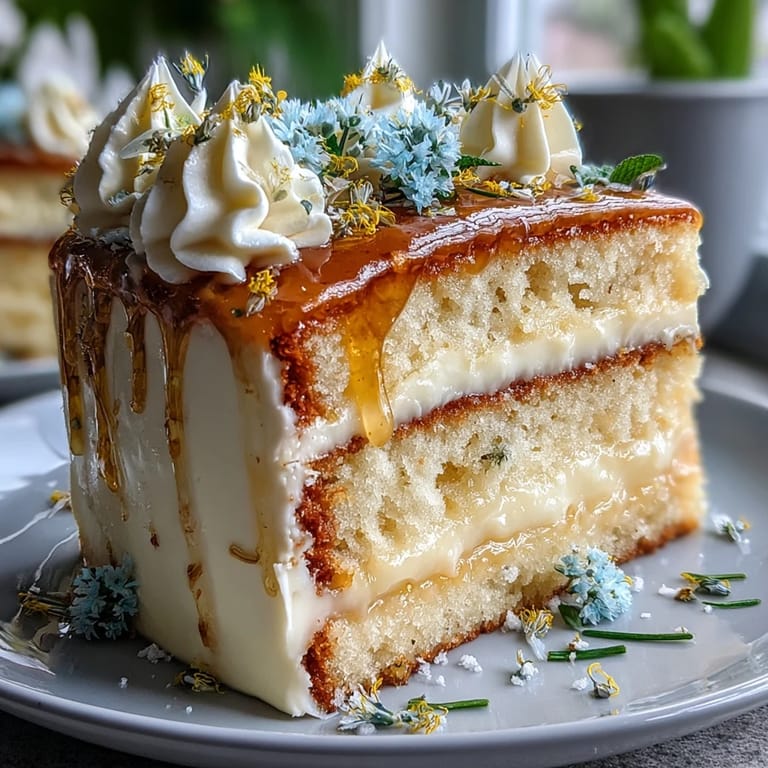
Slicing through this cake is like unveiling layers of spring itself: tangy curd, soft golden crumb, ripples of cream, and blooms perched on top. Serve it slightly chilled for crisp, clean slices, and wipe your knife between each cut to keep layers neat. If you're saving leftovers (though it rarely happens), keep them covered in the fridge so the flowers and frosting don’t dry out.
- Flowers are at their best for just a few hours—assemble shortly before your celebration.
- A layer of parchment beneath the cake makes clean-up so much easier.
- Let the assembled cake rest in the fridge at least 30 minutes to help flavors meld.
 Save to Pinterest
  Save to Pinterest
 Baking this cake is a small way to say “you matter”—with lemony brightness and a flurry of blooms, it’s worth every sprinkle and swirl. Hope it brings as much joy to your table as it has to mine.
Recipe Q&A
- → How can I thicken lemon curd quickly?
Cook the curd over medium heat, stirring constantly until it coats the back of a spoon; if still thin, continue a few more minutes off-heat while stirring — residual heat helps it set. Chilling it in contact with plastic wrap will stop a skin and firm it further.
- → Are edible flowers safe to use straight from the garden?
Only use certified food-grade flowers or those you can confirm were grown without pesticides. Wash gently and dry on paper towel. Remove stems and any non-edible parts before decorating.
- → How do I get clean, even slices when serving?
Chill the assembled cake for at least 30 minutes so the curd and cream firm up. Use a sharp knife warmed in hot water and wiped dry between cuts for smooth, neat slices.
- → Can I substitute dairy in the frosting?
For a dairy-free option, use a stabilized coconut cream whipped until stiff peaks form, and adjust sweetness to taste. Texture will be slightly different from heavy cream but still light and spreadable.
- → How far ahead can components be prepared?
The lemon curd can be made 1–2 days ahead and kept chilled. Cake layers keep well for a day if wrapped; assemble on the day of serving for best texture and flower freshness.
- → Any tips for preventing a soggy cake?
Apply a thin crumb coat of whipped cream between layers to seal crumbs, and avoid overusing curd between layers—use a moderate amount and chill between assembly steps to keep layers distinct.