 Save to Pinterest
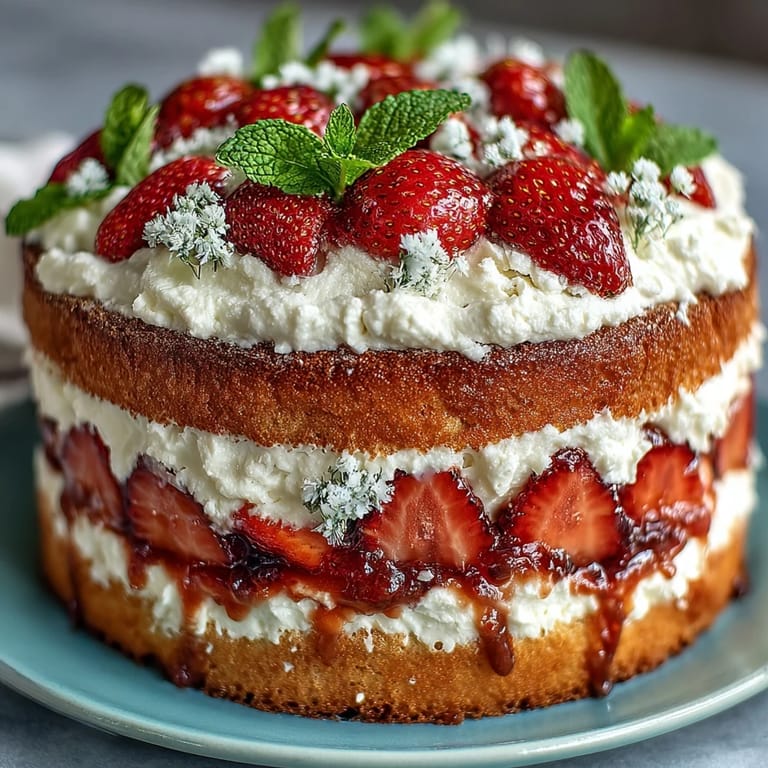
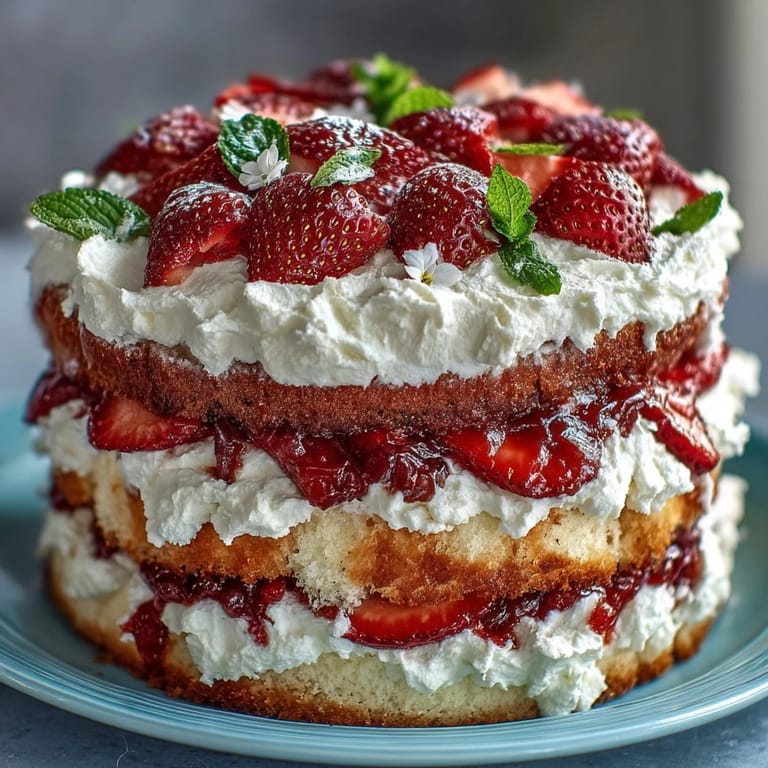
 The first time I made this naked strawberry cake, the kitchen filled with a gentle hum: electric mixer whirring, the faint vanilla aroma floating under my nose, and sunlight flickering across the counter. I wasn’t aiming for perfection, only a cake that felt like spring—fresh, light, and honest. Two layers, a bit crooked, but crowned with cream and berries so vibrant they almost glowed. The moment I sliced in, I laughed at my uneven edges, but the whipped cream made everything look inviting. Sometimes, the simplicity of letting layers show without frosting feels like the most joyful decision.
I remember serving this at a small friend gathering, just when the first strawberries showed up at the market. Everyone lingered in the kitchen, sneaking tastes of whipped cream while debating which blossoms should decorate the top. Someone spilled a little powdered sugar, dusting the countertop like fairy dust. The laughter and the cake were equally messy and delightful. By dessert, nobody minded the naked sides—they were enchanted by the freshness.
Ingredients
- All-purpose flour: Sifting the flour gives a lighter texture—a lesson learned after a few dense cakes.
- Granulated sugar: Cream it thoroughly with butter for a fluffy sponge; it’s worth the extra mixing time.
- Unsalted butter: Soft but not melted, so it blends smoothly; leave it on the counter for about 30 minutes before you start.
- Large eggs: Room temperature makes all the difference in volume; I run them briefly under warm water when in a hurry.
- Whole milk: Adds richness; I once tried low fat and missed that soft crumb.
- Baking powder: Measure with care—a heavy hand changed the rise and the flavor for me.
- Vanilla extract: Just a splash makes the cake invitingly aromatic.
- Salt: Balances sweetness—never skip.
- Heavy whipping cream: Chill it well; warm cream won’t whip to stiff peaks no matter how you coax it.
- Powdered sugar: Sifts into cream for smoothness and just-right sweetness; avoid lumps.
- Fresh strawberries: Hull and slice them gently; softer berries smush easily but taste the best.
- Edible flowers or mint leaves (optional): These little touches dress up the cake for special occasions, but don’t stress if you skip them.
Tired of Takeout? 🥡
Get 10 meals you can make faster than delivery arrives. Seriously.
One email. No spam. Unsubscribe anytime.
Instructions
- Ready your pans:
- Grease and line two round pans with parchment, smoothing the paper so it hugs the base. There’s a satisfying sound when the pans hit the counter—promise of what’s to come.
- Cream butter and sugar:
- Turn the mixer on and let it do the work until the mixture becomes pale and fluffy; pause to scrape the bowl so no sugar hides below.
- Add eggs and vanilla:
- Crack in eggs one by one, mixing gently; the batter should look glossy and thick before adding vanilla for a whiff of sweetness.
- Mix dry ingredients:
- In a separate bowl, whisk flour, baking powder, and salt—be sure these are combined so the rise is even.
- Combine wet and dry:
- Add dry ingredients to the butter mixture in three batches, alternating with milk—don’t rush, just mix until everything comes together with no flour streaks.
- Prepare to bake:
- Divide batter between pans, smoothing with a spatula; tap each pan gently to release any extra air bubbles.
- Bake the cake:
- Place pans in a preheated oven; check after 22 minutes, and pull out when a toothpick comes out clean and the tops bounce back to touch.
- Cool the cakes:
- Let cakes settle in their pans for 10 minutes before turning onto wire racks; the smell of warm sponge fills the room as you peel away the parchment.
- Whip the cream:
- Beat heavy cream, powdered sugar, and vanilla until stiff—watch for soft peaks to turn billowy, and stop when the cream stands tall on the whisk.
- Build your layers:
- If the cake domes, trim gently with a serrated knife for even layers; place one round on a plate ready to embrace its topping.
- First layer of filling:
- Spread half the whipped cream, nestle half the sliced strawberries, and take care to overlap for pretty color.
- Finish layering:
- Set the second cake atop the first, repeat with cream and berries—let the fruit spill a little for that casual, naked look.
- Decorate & serve:
- Add edible flowers or mint if you wish; chill if you prefer, but the cake is best enjoyed fresh, with everyone watching in anticipation.
 Save to Pinterest
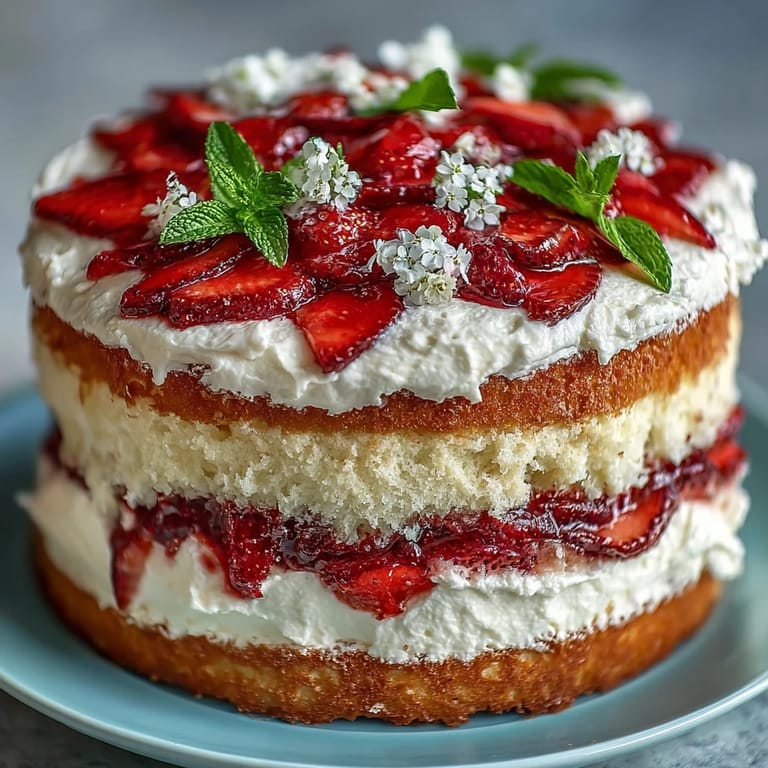
 When my niece turned seven, she asked for a cake "with no frosting on the sides," so we made this naked cake together, dusted with spring blossoms from the garden. Her excitement at arranging berries in neat rows made the kitchen feel like an art studio. Later, she asked if we could make it for every birthday, proof that food can spark traditions on a whim. That day, spring seemed to linger long after the plates were clean. Cakes like this invite memory making.
Decorating Without Fuss
Edible flowers and leafy sprigs can turn a simple cake into a centerpiece, even if the arrangement isn’t perfect. I like to let kids choose their favorite petals—sometimes they cluster them, sometimes they scatter. A few mint leaves tucked between strawberries wake up the flavor. Don’t worry about symmetry; the cake’s charm is its natural, relaxed finish. Let the berries and cream take center stage.
Timing Tips for Freshness
Assembling the cake close to serving keeps the sponge moist and the cream fluffy. There was one hurried afternoon where I chilled the cake ahead, and the cream stiffened too much—so now I whip and layer it just before guests arrive. If you’re prepping for a party, strawberries can be sliced earlier, but wait to decorate. Freshness lets the cake shine.
Substitutions and Variations
Swapping strawberries for raspberries or blueberries gives a fun change in flavor and color, and each fruit brings its own sweetness. You can drizzle a bit of fruit syrup over the layers for extra zing. Sometimes, I use lemon zest in the cream for brightness. For a gluten-free version, a blend of almond and rice flour works but gives a more rustic crumb.
- Balance sweetness by tasting the fruit before layering.
- Soft fruit makes juicier filling—don’t press too hard.
- Check for flower safety if you decorate with petals.
 Save to Pinterest
 I hope your spring cake feels as cheerful as mine did, and brings everyone to the kitchen for a taste. If a few crumbs linger and the cream smears, all the better—it’s a cake worthy of sharing and enjoying together.
Recipe Q&A
- → How do I keep the sponge moist?
To maintain moistness, avoid overbaking and brush layers with strawberry syrup before assembling.
- → Can I use different berries?
Yes, raspberries or blueberries make excellent substitutes for strawberries, offering varied flavors and colors.
- → How long does it keep after assembly?
Best enjoyed the day it’s made, but it can be chilled for up to two hours before serving for freshness.
- → Which tools are essential for preparation?
Key tools include an electric mixer, mixing bowls, cake pans, parchment paper, wire rack, spatula, and serrated knife.
- → Is this dessert vegetarian?
Yes, all ingredients are vegetarian. Be mindful if using decorative flowers, as allergen content may vary.
- → What is the best way to assemble the layers?
Spread half the cream and strawberries on the first sponge, layer the second on top, and repeat for visual appeal.