 Save to Pinterest
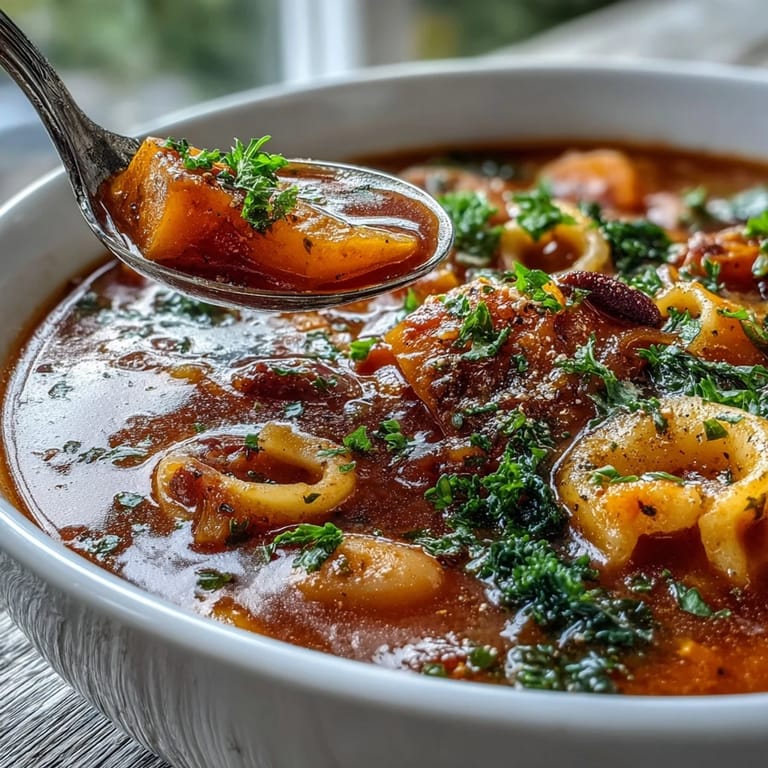
 My neighbor stopped by on a grey November afternoon with a bag of butternut squash from her garden, and I found myself standing in my kitchen wondering what to do with it beyond the usual roasted side dish. That's when I decided to make minestrone—something my grandmother used to simmer on lazy winter Sundays, filling the house with the kind of warmth that has nothing to do with the thermostat. This version became my own the moment I added kale instead of spinach and let the squash sweeten the broth naturally. It's the soup I make now when the season turns cold and I want something that tastes like home but feels entirely mine.
I served this to my sister on a snowy evening when she'd had a rough week, and watching her spoon up the soft vegetables and pasta, shoulders finally dropping away from her ears, reminded me why I love cooking. There's something about a bowl of soup that says I'm thinking of you without needing to say it out loud.
Ingredients
- Olive oil: Two tablespoons is your foundation—use good oil that you actually like the taste of, because it matters here.
- Yellow onion, carrots, and celery: This trio is the heartbeat of any good soup, and taking five minutes to dice them evenly means they'll cook at the same pace.
- Garlic cloves: Mince them fresh right before you add them so you get that sharp, bright flavor instead of the dull taste of pre-minced.
- Butternut squash: Choose one that feels heavy for its size, and don't be intimidated by peeling it—a sharp knife and patience do the job better than any fancy gadget.
- Zucchini: Medium-sized ones have fewer seeds and better texture than overgrown ones lurking at the farmers market.
- Fresh kale: Remove the tough stems and tear or chop the leaves roughly—they'll shrink down to nothing anyway.
- Canned diced tomatoes: Don't drain the juices; that liquid is liquid gold for your broth.
- Cannellini beans: Rinse them well under cold water to remove the starchy liquid that can make your soup taste tinny.
- Small pasta: Ditalini or elbow macaroni work best because they stay tender and don't overwhelm the vegetables.
- Vegetable broth and water: Six cups of broth plus one cup of water gives you the right balance—all broth can taste too salty by the end.
- Dried oregano, thyme, and rosemary: These three herbs are your compass; they keep the soup tasting authentically Italian without fussing.
- Red pepper flakes: Optional, but a quarter teaspoon adds a whisper of heat that makes people wonder what you did to make it taste so good.
- Fresh parsley: Stir it in at the very end so it keeps its brightness and doesn't turn dark and sad.
- Parmesan cheese: Freshly grated tastes incomparably better than the pre-grated stuff in the green can.
Tired of Takeout? 🥡
Get 10 meals you can make faster than delivery arrives. Seriously.
One email. No spam. Unsubscribe anytime.
Instructions
- Heat your oil and start the soffritto:
- Pour olive oil into a large pot over medium heat and let it warm for a minute until it shimmers slightly. Add your diced onion, carrots, and celery all at once, and listen for that satisfying sizzle as they hit the hot oil.
- Cook the aromatics until fragrant:
- Stir the vegetables occasionally for five to six minutes—you're looking for them to turn translucent at the edges and smell sweet, not raw. This is where the foundation of flavor happens, so don't rush it.
- Add the garlic:
- Stir in your minced garlic and cook for just one minute until the kitchen fills with that unmistakable garlic aroma. Any longer and it starts to burn; any shorter and it stays too sharp.
- Introduce the squash and zucchini:
- Add both to the pot and stir occasionally for four to five minutes, letting them start to soften at the edges. The squash will release moisture that mingles with the oil, creating an even richer base.
- Pour in the tomatoes and liquid:
- Add your canned tomatoes with their juices, then the vegetable broth and water all at once. Bring everything to a gentle boil, which should take about five minutes.
- Season and simmer:
- Stir in the oregano, thyme, rosemary, and red pepper flakes if you're using it. Reduce the heat to medium-low and let it simmer uncovered for fifteen minutes so the flavors have time to meld together.
- Add the beans and pasta:
- Stir in the drained cannellini beans and your small pasta, then simmer for another eight to ten minutes until the pasta is tender and the squash is soft enough to break apart with a spoon.
- Wilt in the kale:
- Tear or chop your kale roughly and stir it into the pot, cooking for two to three minutes until it turns dark green and tender. The residual heat will do most of the work.
- Finish and taste:
- Remove from heat and stir in fresh parsley, then taste carefully and adjust with salt and black pepper. This is your moment to make it yours.
 Save to Pinterest
 A year ago, I'd have never imagined that a vegetable soup could become comfort food, but this one did. Now it's the first thing I make when autumn turns to winter and the craving for something warm and filling won't leave me alone.
Why This Soup Tastes So Good
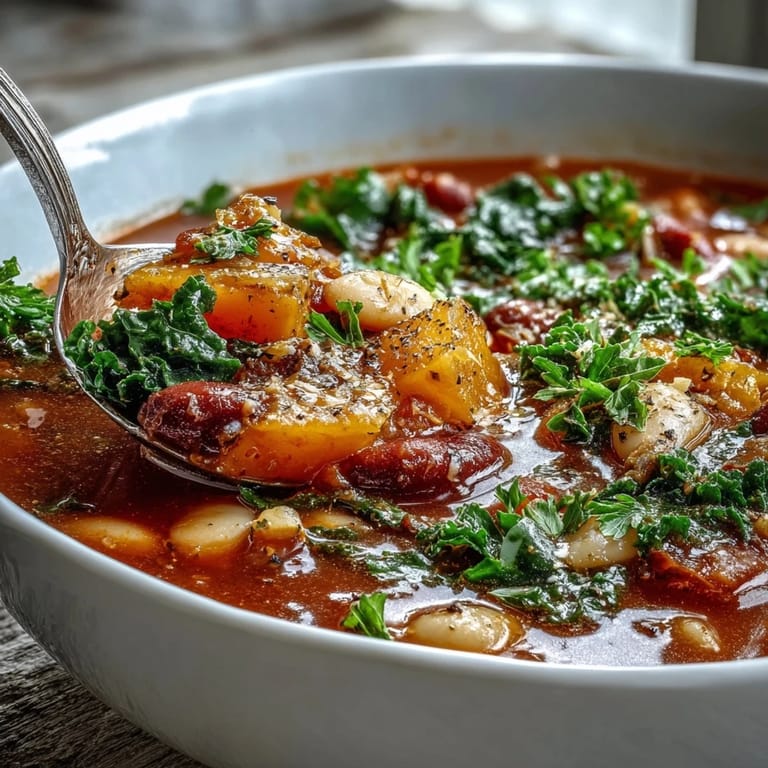
The secret is in the layering of flavors rather than any single ingredient doing all the work. The butternut squash sweetens the broth so gently you almost don't notice it until someone asks why it tastes so good, and then you realize they're tasting the accumulation of every vegetable in the pot speaking in harmony. The kale adds an earthy note that keeps it from feeling one-dimensional, and the beans give it the substance that makes it feel like a real meal instead of just broth with vegetables floating in it.
Make It Your Own
This recipe is flexible enough that you can swap vegetables based on what's in your pantry or what you're craving. I've made it with added spinach when I had it on hand, or with a diced red bell pepper instead of zucchini when that felt right. The core flavor profile stays the same because the herbs and tomato are holding everything together, so you have room to improvise.
Storage and Serving Suggestions
This soup is even better the next day once the flavors have had time to get to know each other, so make it without hesitation on a busy weeknight and plan on eating it again when you need something quick. It keeps in the refrigerator for up to four days and freezes beautifully for up to three months, though I'd add the pasta fresh when you reheat it so it doesn't turn to mush. Serve it in deep bowls with crusty bread for soaking up the broth, a generous grating of Parmesan if you're not keeping it vegan, and maybe a drizzle of good olive oil on top if you're feeling fancy.
- If you want to add a Parmesan rind during simmering for extra depth of flavor, do it with the herbs and remember to fish it out before serving.
- For a vegan version, simply omit the cheese or use a dairy-free alternative, and the soup loses nothing in translation.
- Pair it with a crisp white wine like Pinot Grigio and some good bread, and you've got a dinner that feels like more than the sum of its parts.
 Save to Pinterest
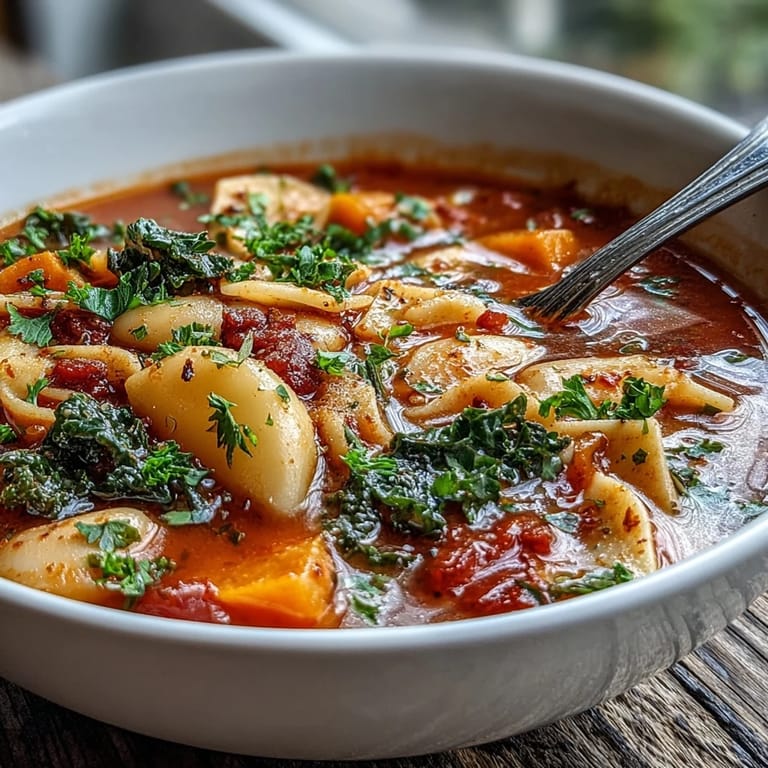
 This minestrone has become the soup I make when I want to feel capable in the kitchen without breaking a sweat, and more importantly, it's the one people ask me to make again. That's the highest compliment any recipe can get.
Recipe Q&A
- → Can I make this soup ahead of time?
Yes, this minestrone tastes even better the next day. Store it in an airtight container in the refrigerator for up to 4 days. Note that the pasta will absorb liquid, so add extra broth when reheating.
- → What can I substitute for butternut squash?
Sweet potato, pumpkin, or acorn squash work wonderfully as alternatives. Cut them into similar-sized cubes to ensure even cooking with the other vegetables.
- → Can I freeze this soup?
Absolutely. Cool completely and freeze in airtight containers for up to 3 months. For best texture, consider cooking the pasta separately and adding it fresh when serving, as frozen pasta can become mushy.
- → How do I make this soup heartier?
Add cooked Italian sausage, extra beans, or increase the pasta quantity. You can also stir in a handful of spinach along with the kale for added nutrition and body.
- → What type of pasta works best?
Small pasta shapes like ditalini, elbow macaroni, or small shells are ideal. They cook evenly and are easy to eat with a spoon. Avoid long pasta like spaghetti, which is difficult to manage in soup.
- → Can I use fresh tomatoes instead of canned?
Yes, use about 2 cups of chopped fresh tomatoes. Since fresh tomatoes have less concentrated flavor, you may want to add a tablespoon of tomato paste for depth.