 Save to Pinterest
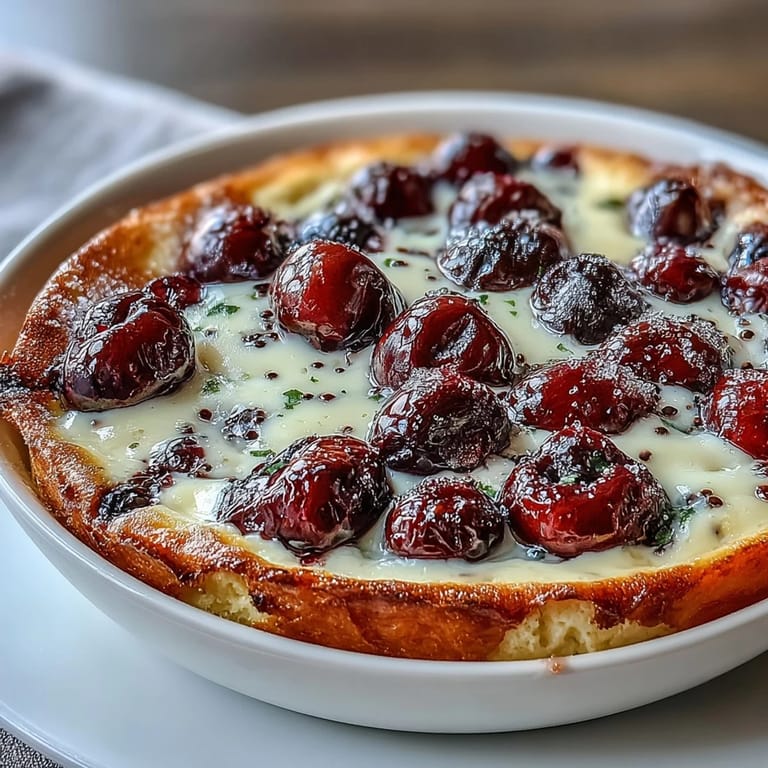
 The first evening I made a cherry clafoutis, I remember the sizzle of butter in my favorite skillet and the perfume of vanilla that lingered in the kitchen long after the clafoutis was gone. There was nothing fussy about the process—just a handful of beautiful cherries and the simple joy of watching batter bloom golden in the oven. It felt spontaneous, almost like the dessert had appeared out of thin air to meet the start of a warm summer night. Cherries burst their fragrance as I pitted them, and the promise of an easy, elegant treat carried me straight through cleanup. Sometimes, cooking just feels like an old friend showing up when you need them most.
One Saturday afternoon I made this for a friend who stopped by, sunhat in hand and arms full of market fruit—turns out pitting cherries while sharing gossip is the best way to make the task fly by. Between flour spatters and the inevitable cherry stain or two, laughter seemed baked right in. That day, the clafoutis barely had time to cool. I love how effortless it was to share something so tender and bright without ever leaving the kitchen bench. We each grabbed a spoon, sat by the window, and watched the last rays of sun slide across our plates.
Ingredients
- Fresh cherries: Use when in season—firm, glossy ones bring the sweetest burst and are so worth pitting for that juicy bite.
- Large eggs: Let them sit on the counter to temper; room temperature eggs blend more smoothly for a silky custard.
- Granulated sugar: Whisk thoroughly with eggs for a pale, almost mousse-like base.
- Vanilla bean (or extract): Vanilla bean seeds add beautiful flecks and a depth of flavor; if using extract, stir in after mixing the eggs and sugar.
- Salt: Just a pinch brightens everything—don’t leave it out.
- All-purpose flour: Sift for a lump-free batter; measure carefully so the custard stays tender, not cakey.
- Whole milk: The full fat gives the bake a rich, velvety feel.
- Heavy cream: Adds decadence, but don’t worry if you’re just shy of a full quarter cup—it’s forgiving.
- Unsalted butter: Use melted and cooled for easy blending and a subtle nutty richness.
- Butter (for pan): A generous layer keeps the clafoutis from sticking and adds a golden edge.
- Sugar (for pan): This creates a sweet crust as the clafoutis bakes—don’t skip it.
- Powdered sugar (for serving): Optional, but the gentle snow of sugar always feels magical just before you dig in.
Tired of Takeout? 🥡
Get 10 meals you can make faster than delivery arrives. Seriously.
One email. No spam. Unsubscribe anytime.
Instructions
- Warm things up:
- Heat your oven to 180°C (350°F) and feel that gentle warmth set the mood for baking.
- Butter and sugar the dish:
- Coat your baking dish with butter so the clafoutis dances free when serving, then sprinkle sugar for that signature crisp edge.
- Cherry time:
- Scatter pitted cherries evenly—if a few roll to the edge, all the better for juicy corners later.
- Whisk the eggs and sugar:
- Mix until lemony-pale and the grains disappear, the kind of soft froth that feels promising even before it bakes.
- Add vanilla and salt:
- Split the vanilla bean and scrape in those fragrant seeds—your hands will smell divine—or stir in extract and a pinch of salt.
- Sift in flour:
- Sift flour right over the bowl, whisking just until streaks vanish for a delicate crumb.
- Finish the custard:
- Slowly whisk in milk, cream, and melted butter; your batter should pour like thick cream but feel light.
- Bring it together:
- Pour the custard over the cherries and watch them peek through—don’t worry if a few float.
- Bake to golden perfection:
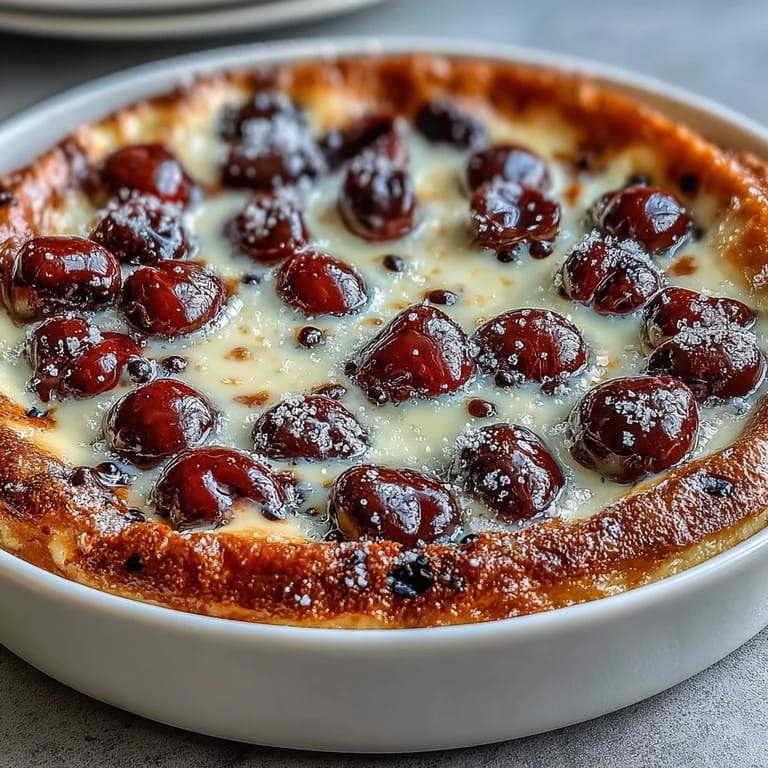
- Watch for puffed edges and a blush of gold, about 35–40 minutes; a knife slipped in the middle should come out clean when it’s done.
- Cool and finish:
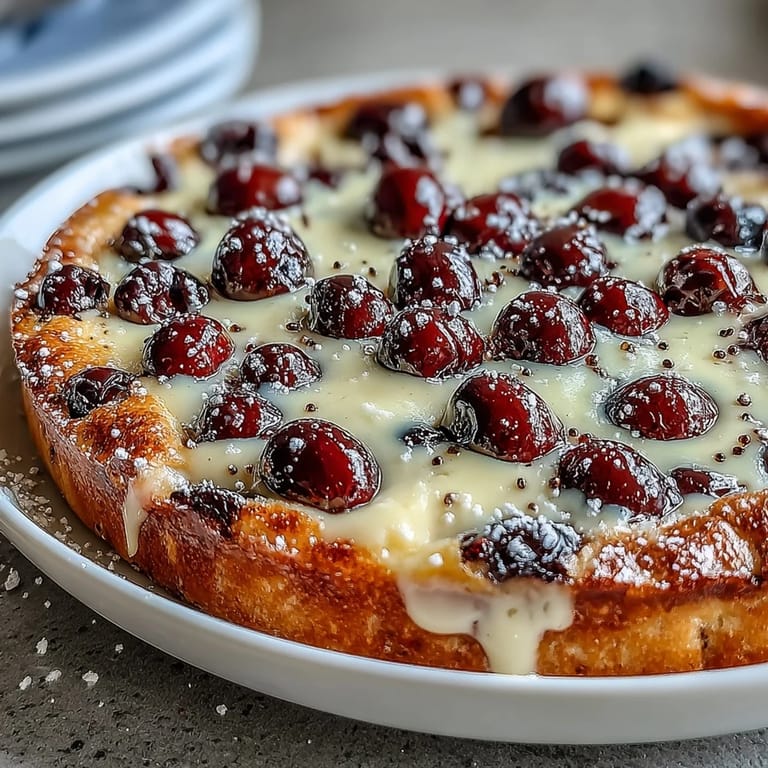
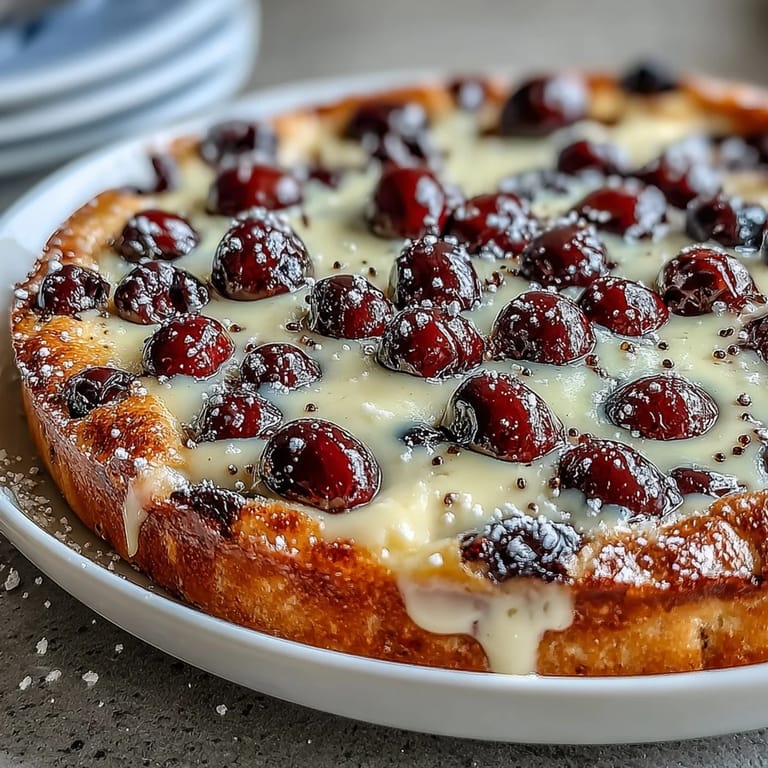
- Let it settle, dust with powdered sugar, and serve warm or at room temperature—it’s good any way you cut it.
 Save to Pinterest
  Save to Pinterest
 I’ll never forget the moment my neighbor poked her head over the fence, lured by the aroma floating from my open window—the clafoutis had made friends before even leaving my kitchen. Some dishes are more than the sum of sugar and fruit; they invite people in. When I shared thick, custardy slices on mismatched plates, it felt like summer delivered right to our street.
Cherry Season Stories
Last year’s late cherry harvest meant piles of jewel-bright fruit at every market stall within a few streets. Deciding to bring home nearly a kilo, I spent an afternoon pitting cherries with sticky fingers and the simple goal of using them all. Sometimes, a recipe is just an excuse to use the fruit you carried home on a whim. Every juicy bite in this clafoutis reminds me that the best baking often starts with what’s fresh, messy, and entirely unplanned.
How to Get the Best Custard
It wasn’t until my fourth time baking clafoutis that I realized how much the oven temp matters; too hot, and the custard sets before cherries melt into their jammy selves. An even, gentle bake is the secret—trust your senses and look for softly puffed edges and a slight wobble in the center. The mingled smell of vanilla and cream is your best guide. Don’t skimp on letting it rest after baking—the custard will firm up just enough as it cools.
Serving Magic and Clever Shortcuts
I learned that clafoutis wins at potlucks: sliceable, travel friendly, lovely even at room temperature. If you’re short on time, frozen cherries will do, just dry them well to avoid watering down the custard, and if you’re feeling bold, try the splash of amaretto for a quiet almond note. Little kitchen improvisations are what set your version apart from any other.
- If you’re tempted to skip the butter and sugar on the pan, resist—this is the crunchy edge’s secret.
- Sliding a thin spatula under the slices helps if you want tidy portions for a crowd.
- Dusting with powdered sugar right before serving makes it feel instantly festive.
 Save to Pinterest
  Save to Pinterest
 Each time you make clafoutis, let the fruit and the mood guide you. Enjoy those little kitchen adventures—your best dessert moments are always a little messy, a lot delicious, and worth sharing.
Recipe Q&A
- → How should I pit cherries quickly?
Use a cherry pitter for speed and consistency. If unavailable, push a skewer or small sturdy straw through each cherry to remove the pit, working over a bowl to catch juices.
- → Can I use frozen cherries instead of fresh?
Yes—thaw and drain frozen cherries thoroughly and pat dry to avoid excess moisture. Tossing them lightly in a bit of flour helps prevent a soggy custard beneath the fruit.
- → Why does the clafoutis puff and then deflate?
The batter rises as steam forms during baking; it naturally settles as it cools, leaving a tender, custardy interior with golden edges. Resting briefly helps the texture set before serving.
- → How can I prevent a soggy bottom?
Grease and sprinkle sugar on the pan to create a slight barrier. Ensure cherries are well drained if using frozen, and avoid overloading the dish. Bake until the center is set and a knife comes out mostly clean.
- → Can I add flavor variations?
A splash of kirsch or amaretto folded into the batter adds depth. Zest from lemon or orange brightens the custard; toasted almond flakes or a light drizzle of cream complement the cherries.
- → How do I know when it's done?
The clafoutis should be puffed, lightly golden around the edges, and the center should be set with a slight jiggle. A knife inserted near the center should come out mostly clean with minimal batter.