 Save to Pinterest
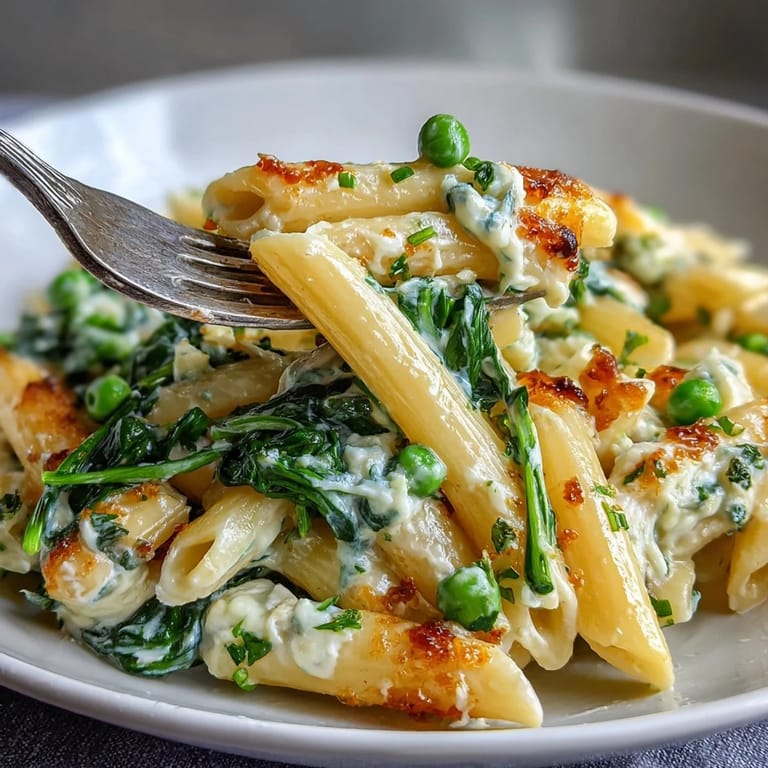
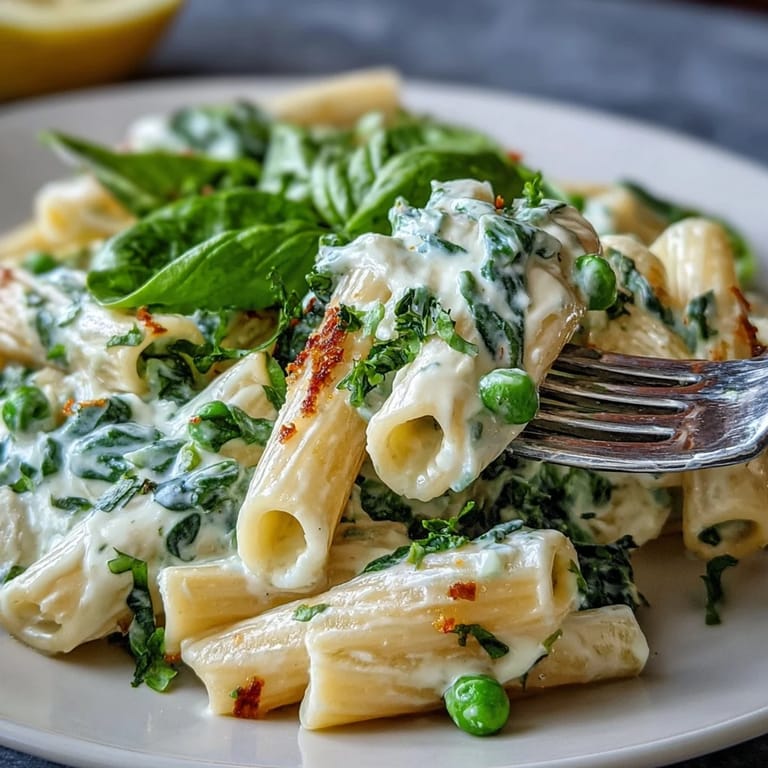
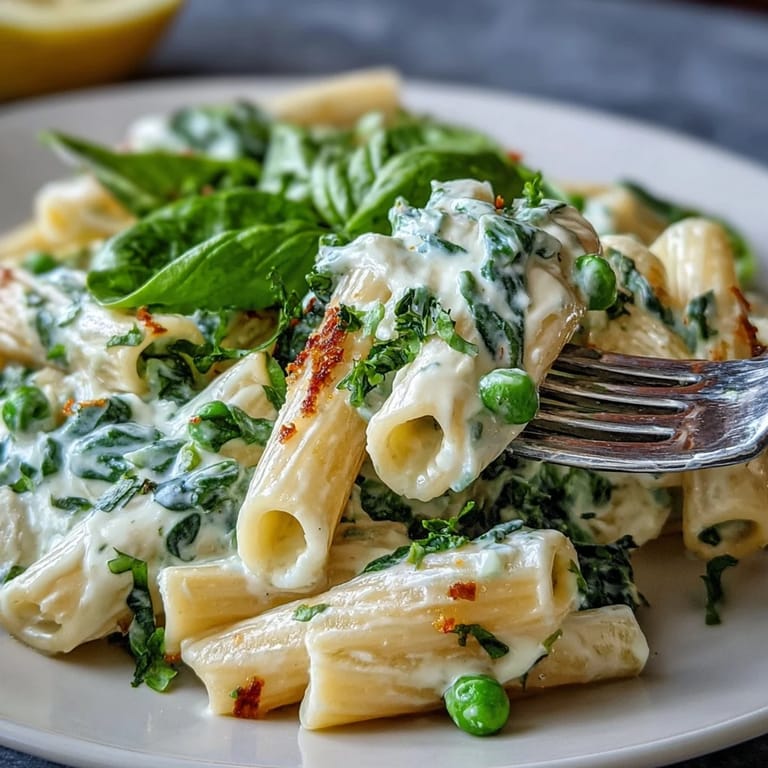
 The first time I threw together this lemon ricotta pasta, I was chasing that elusive weeknight dinner that feels both bright and indulgent but doesn't leave my kitchen looking like a tornado hit. The sizzle of garlic in olive oil and the scent of lemon curling up from the pot made me pause and smile — a rare moment of peace in a busy evening. It's funny how something as simple as stirring spinach into hot pasta can shift your whole mood. Even the process, with its few ingredients and one-pot approach, feels like a small victory. The creamy sauce comes together with a bit of ricotta, a hit of lemon, and not much fuss, making every bite the sort of comfort food I crave but rarely expect from such honest simplicity.
I made this for a friend who’d just had a tough day, hoping the brightness of lemon and the pop of green peas would work a little magic. We stood side by side, taking turns zesting, tasting, and laughing when the ricotta threatened to clump, and by the time we sat down, the air smelled buttery and just a little bit floral from the lemon — enough to lift both our spirits.
Ingredients
- Short pasta (penne, fusilli, or similar): I like using sturdy shapes that hug the creamy sauce; don’t forget to check the packet for timing so you get perfectly al dente results.
- Ricotta cheese: This is where all the silkiness comes from, so go for a good quality; a quick stir before adding helps it blend smoothly.
- Grated Parmesan cheese: Bring a salty, nutty oomph; always grate fresh if you can for maximum flavor.
- Whole milk: This loosens the sauce and helps it coat the pasta instead of clumping — don't try it with skim milk unless you have to.
- Green peas (fresh or frozen): The sweet pop of peas is essential; frozen work just as well and save chopping time.
- Fresh spinach: It wilts improbably fast at the end; make sure to loosely pack your cups so it doesn't overwhelm the pot.
- Garlic: Mincing it finely releases all its aroma; watch it carefully in the oil so it doesn’t brown and turn bitter.
- Lemon (zest & juice): This is the high note; always zest before juicing so you don’t end up grating a squished lemon.
- Olive oil: I start most dishes with this — just two tablespoons for fragrance and golden garlic.
- Salt and black pepper: Season layer by layer, tasting as you go so the final bowl is perfectly balanced.
- Optional garnish: additional lemon zest, basil or parsley: These add color and a burst of freshness right before serving; chop just before adding.
Tired of Takeout? 🥡
Get 10 meals you can make faster than delivery arrives. Seriously.
One email. No spam. Unsubscribe anytime.
Instructions
- Sizzle the garlic:
- Heat the olive oil over medium until it shimmers, then toss in the garlic and let it fill your kitchen with its bold scent, watching closely so it turns soft but not browned.
- Add pasta and peas:
- Pour in your pasta and peas together, sprinkle in salt, then add enough water to just cover — the pasta should feel almost crowded in the pan, and the gentle simmering sound will tell you it’s on the right track.
- Simmer until almost done:
- Bring to a brimmed boil, then turn it down to a gentle bubble, stirring occasionally so nothing sticks; let the pasta go until it’s just shy of done and most of the water has been absorbed, about 10-12 minutes.
- Spinach time:
- Stir in the spinach by handfuls; it will wilt deceivingly quickly, darkening to a silky green and mixing right in with the pasta.
- Make it creamy:
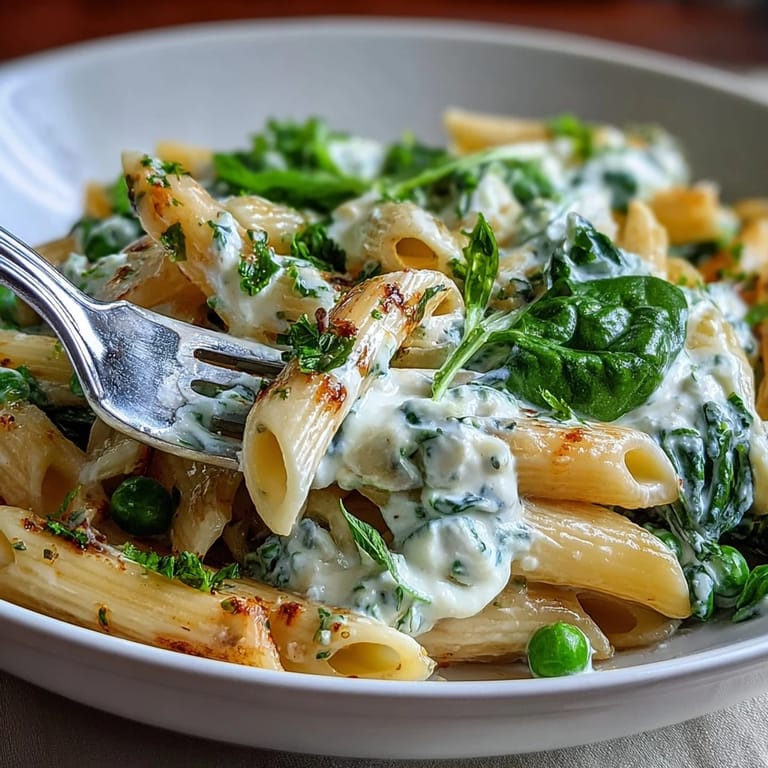
- Lower the heat, then add ricotta, Parmesan, milk, lemon zest, and juice, stirring gently until the mixture is smooth, glossy, and clings to every noodle; sniff here — the lemon should be front and center.
- Finish & serve:
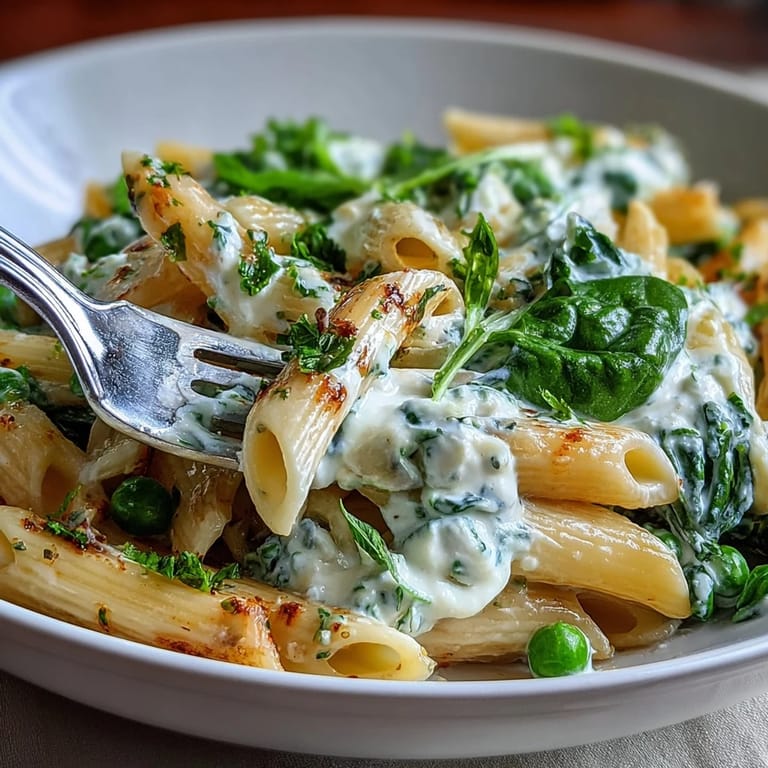
- Add a good crack of black pepper, taste for salt, then heap into bowls and shower with extra lemon zest and herbs if you like — best eaten while it’s steaming hot.
 Save to Pinterest
  Save to Pinterest
 On a rainy spring night, I brought out this pasta for a family dinner where conversation drifted from old vacations to botched kitchen experiments. Somebody insisted on seconds, a rare feat in our crowd, which is exactly when this one-pot wonder went from a quick fix to a regular comfort dish for us all.
What Makes This Dish Special
Part of the magic is in how everything cooks together — the pasta soaks up more flavor than if you boiled it alone, and the peas keep their shape but become extra sweet from the brief simmer. The lemon, meanwhile, keeps things feeling light and a bit celebratory, even on slow, gray days.
Easy Swaps and Additions
If spinach isn’t in season, I’ve used arugula or even thin ribbons of kale for a peppery bite. A sprinkle of toasted pine nuts takes the crunch factor up, while red pepper flakes will add some heat for spice lovers; whatever you tweak, just add it near the end so nothing overpowers the lemony creaminess.
Serving Suggestions and Kitchen Notes
This pasta’s at its best straight from the pot, but leftovers do surprisingly well — just add a splash of milk when reheating. I usually pair it with a crisp salad or crusty bread but sometimes just go with a glass of cold Pinot Grigio and call it a night.
- Reset the pasta timer if you get distracted, so nothing gets mushy.
- Use a zester rather than a grater for the fluffiest lemon zest.
- Remember to double-check your ricotta is smooth before adding, so the sauce stays creamy, not grainy.
 Save to Pinterest
  Save to Pinterest
 Simple can be special: this pasta proves it every time. I hope it brings your table the same easy joy it’s brought mine.
Recipe Q&A
- → Can I use frozen peas instead of fresh?
Yes — frozen peas are a great, convenient option. Add them straight from the bag so they thaw as the pasta cooks; they’ll retain sweetness and color without extra prep.
- → How do I prevent the sauce from becoming watery?
Let most of the cooking liquid reduce so the starchy water concentrates, then stir in ricotta off the heat and toss gently. The pasta water and cheeses bind to create a silky coating rather than a thin broth.
- → What pasta shapes work best for this dish?
Short, ridged shapes like penne, fusilli or rigatoni hold the creamy ricotta sauce and peas well. Smaller shapes like shells or orecchiette also capture the sauce and bits of spinach nicely.
- → Can I make this dairy-free or vegan?
Yes — swap in a plant-based ricotta and a dairy-free grated alternative, and use a non-dairy milk for the splash. Choose pasta without egg to keep the dish fully vegan.
- → How can I add texture or extra flavor?
Finish with toasted pine nuts or walnuts for crunch, a scattering of lemon zest for brightness, or a pinch of chili flakes for heat. Fresh basil or parsley lifts the dish at the end.
- → Is it possible to prepare this ahead of time?
Prepare components separately — cook pasta until al dente and keep sauce slightly thicker; combine and gently reheat with a splash of water or milk to loosen. Add fresh greens just before serving to avoid overcooking.